
A spinal cord stimulator after a Missouri work injury: the trial, the implant, why insurers dispute it, and future care.
For many St. Louis workers with failed back surgery, this is a turning point in a Missouri workers’ comp claim. Whether the insurer pays for a stimulator, and the care that comes after, often depends on what the medical record says before the case closes.
Has your doctor recommended a spinal cord stimulator? Talk directly with Attorney James M. Hoffmann. Free consultation: (314) 361-4300.
What a Spinal Cord Stimulator Is
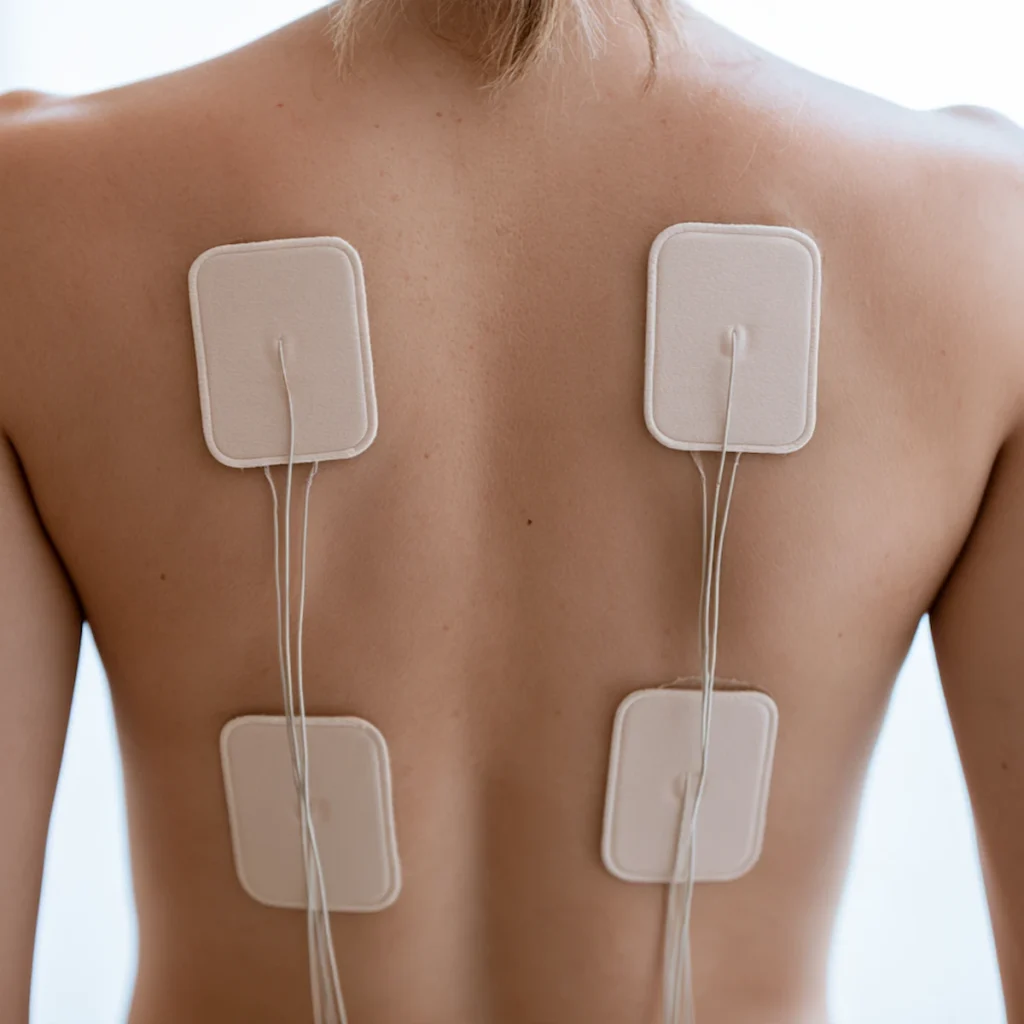
A spinal cord stimulator is a small implanted device that sends mild electrical pulses to the spinal cord to interrupt pain signals. Pain programs commonly use it for failed back surgery, complex regional pain syndrome (CRPS), and nerve pain in the arms or legs. It usually happens in two steps:
- The trial. Doctors place temporary leads through a needle, and you test the device at home, typically for about a week.
- The permanent implant. If the trial helps, a surgeon places permanent leads and a battery, usually in the buttocks or abdomen, often as outpatient surgery.
The device does not end treatment. It needs programming, follow-up visits, and eventually a battery replacement. UCSF Health notes that a rechargeable battery usually lasts 5 to 10 years.
What Missouri Law Says
Section 287.140.1 requires the employer to provide medical treatment “as may reasonably be required after the injury or disability, to cure and relieve from the effects of the injury.” A spinal cord stimulator is not named in the statute. Like any treatment, the question is whether it is reasonably required to relieve the effects of the work injury.
Missouri courts have upheld future medical awards in cases where a stimulator was part of the picture. In Morris v. Captain D’s (2018), the Court of Appeals affirmed future pain management based on a doctor who recommended treatments including “consideration for a spinal cord stimulator.” The court also said it was “of no consequence” that the same treatment also eased pain from non-work conditions. In Rader v. Werner Enterprises (2012), a stimulator was implanted and later removed because it did not relieve the pain, and the court still affirmed the award of future medical care.
Why Insurers Dispute It
- Cost. The trial, the implant, the battery replacements, and the follow-up care add up over many years.
- Causation. The insurer may argue your pain comes from age or degeneration, not the work injury.
- Necessity. An insurer exam may conclude you are at maximum medical improvement and need nothing more.
- Timing. If the case settles with future medical closed, you or your health insurance usually cover the stimulator and its upkeep.
How the Need Is Proven
- A treating doctor’s written recommendation that ties the stimulator to the work injury and to the surgery that did not resolve it
- Records of what has already been tried, such as therapy, injections, and medications
- The trial results, documented in the chart, including how much the pain and function improved
- A second opinion when the insurer’s doctor says no; read about a second opinion before you settle
If the insurer refuses a recommended treatment, read what to do if workers’ comp won’t approve your medical treatment. You can appeal to an administrative law judge at the Missouri Division of Workers’ Compensation.
Before You Settle
A stimulator is long-term care. Before you sign, ask how the settlement handles the trial, the implant, battery replacements, programming visits, and any revision surgery. Read about failed back surgery after a work injury, back and spine injuries in Missouri workers’ comp, and future medical care in Missouri workers’ comp.
How We Answer the Insurer’s Doctors
Insurance company doctors rarely write that a worker needs surgery, future care, or cannot return to work. We respond with orthopedic surgeons, neurosurgeons, pain management physicians, and vocational consultants who don’t work for the insurer. In 2025 alone, this firm spent over $700,000 on expert witnesses.
We prepare their opinions to withstand testing. Our office has handled roughly 1 in 4 of recent workers’ compensation trials at the St. Louis Division of Workers’ Compensation, where the insurer’s doctors are cross-examined under oath. Insurers know which firms will actually try a case, and it changes what they offer. Every case is different; results depend on the facts.

Consider Contacting Us Today
Free Consultation: (314) 361-4300. Talk Directly With Attorney James M. Hoffmann.
A stimulator can mean years of follow-up care, and that care belongs in your case. Attorney James M. Hoffmann has represented injured Missouri workers for 30+ years, recovering more than $100,000,000 for clients. When you call, you talk with the attorney handling your case, not a call center.
Call (314) 361-4300 or request a free consultation online. No fee unless we recover compensation.